
Best Snorkeling Spots in West Maui
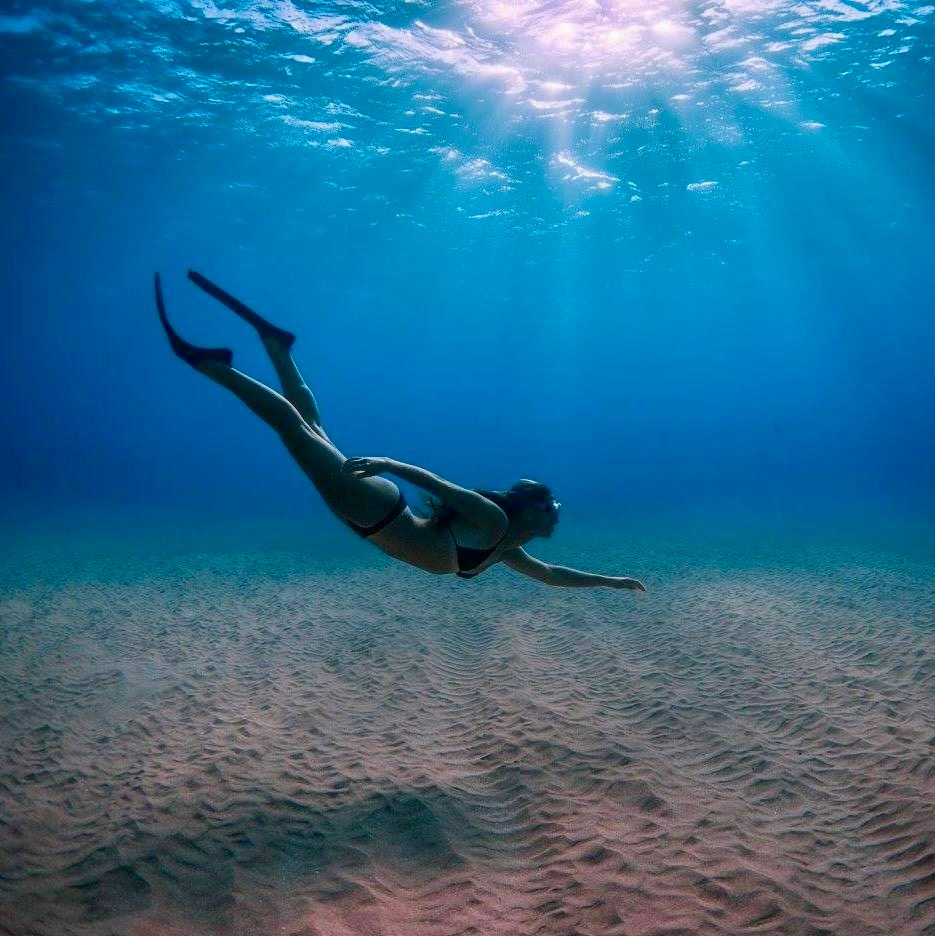
West Maui has a variety of beaches and bays where snorkelers can explore coral reefs, tropical fish, sea turtles, and other marine life when conditions allow. From Ka’anapali’s bays to long stretches of reef, each snorkeling site has a different character.
This guide covers six popular West Maui snorkeling spots: Kapalua Bay, Honolua Bay, Black Rock, Airport Beach, Olowalu, and Napili Bay. Conditions can change quickly, so no beach is a good snorkeling location every day. Always check conditions before entering the water, follow posted warnings, and choose another activity when conditions exceed your swimming ability.
Before You Snorkel in Maui
A calm-looking beach can still have currents, changing surf, slippery entries, boat traffic, or other hazards. Before snorkeling:
- Check current surf and weather conditions.
- Observe the water for several minutes before entering.
- Snorkel with a buddy.
- Know your swimming ability and stay within your comfort level.
- Pay attention to your location relative to shore and your exit point.
- Avoid touching or standing on coral.
- Give marine wildlife plenty of space.
- If conditions make you uncertain, stay out of the water.
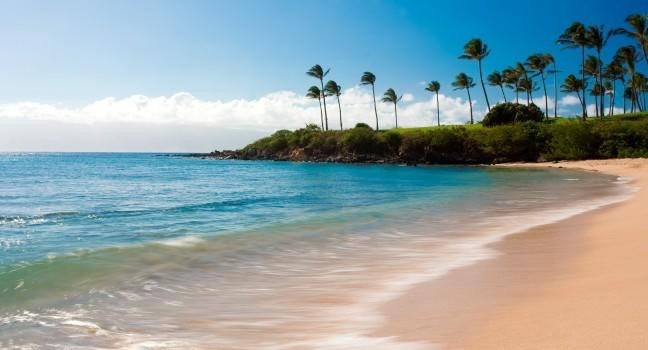
Caption
The sandy shoreline and palm-lined coastline of Kapalua Bay in West Maui.
Kapalua Bay
Kapalua Bay is a curved sandy bay in northwest Maui surrounded by rocky reef habitat. When the ocean is calm, snorkelers can explore along the bay’s edges, while the sandy center offers a relatively straightforward entry.
Like every West Maui site, Kapalua Bay changes with swell, wind, tide, and weather. Conditions that look comfortable one day may be very different the next.
What Marine Life Might You See at Kapalua Bay?
Depending on the day, snorkelers may encounter tropical reef fish, moray eels, sea turtles, and other animals moving through the reef. Wildlife isn’t guaranteed, so enjoy whatever is present rather than approaching animals for a closer encounter.
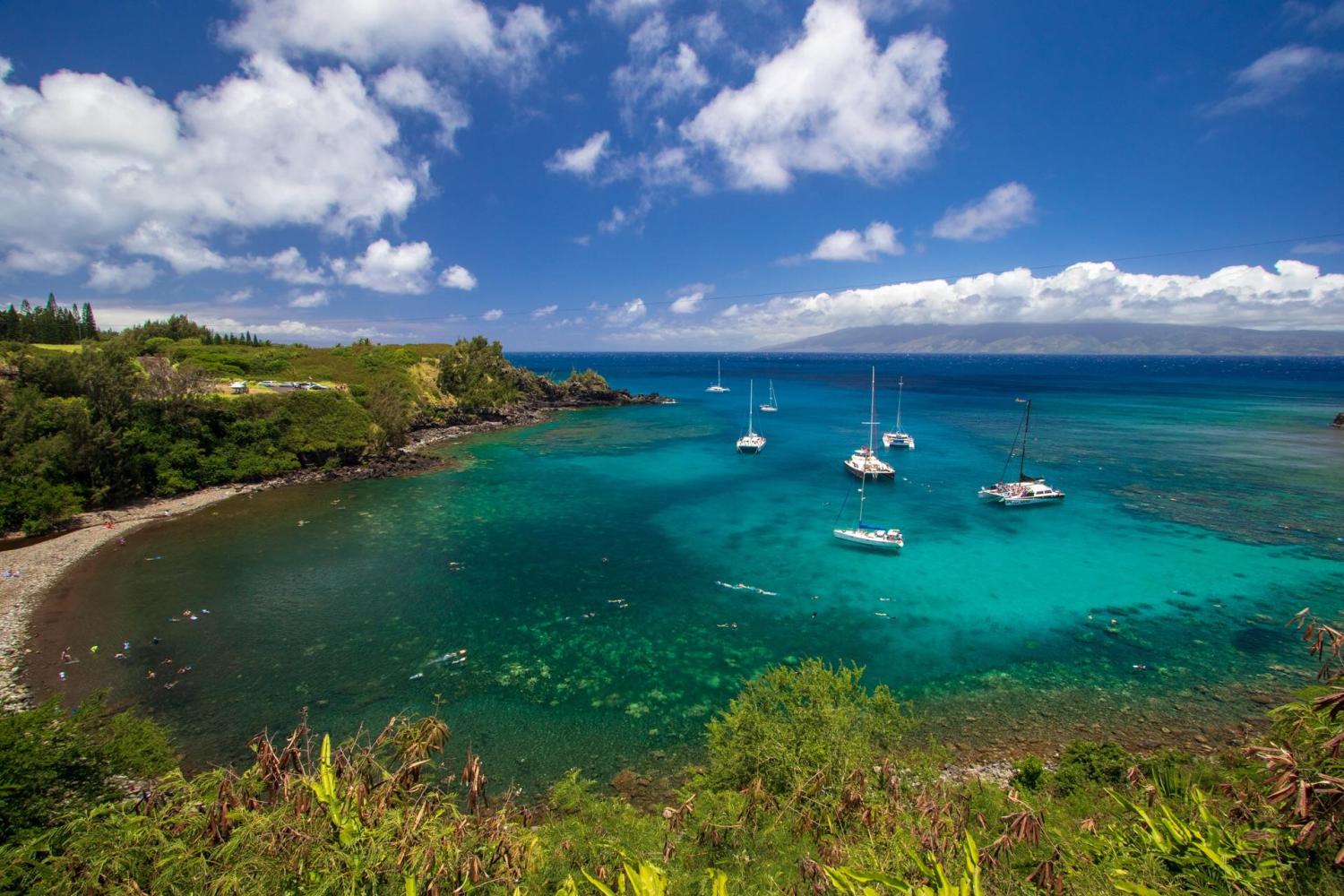
Snorkeling boats moored in clear water at Honolua Bay in Maui.
Honolua Bay
Honolua Bay is one of West Maui’s best-known coastal areas. The walk toward the bay passes through a lush landscape before reaching a rocky shoreline rather than a wide sandy beach.
The bay can look dramatically different depending on the season and swell direction. On appropriate days, snorkelers may find clear water and extensive reef habitat. When surf is present, Honolua is also known as a surfing location and may be completely inappropriate for snorkeling.
What Marine Life Might You See at Honolua Bay?
The reef habitat supports many of the fish found throughout Maui, including butterflyfish, tangs, Moorish idols, trumpetfish, and other tropical species. Sea turtles and other animals may also pass through the bay.
Snorkeling Safely at Honolua Bay
Don’t assume Honolua Bay is safe just because you’ve seen beautiful snorkeling photos of it. Assess conditions when you arrive. Strong surf and currents can make snorkeling unsafe, especially when swell enters the bay.
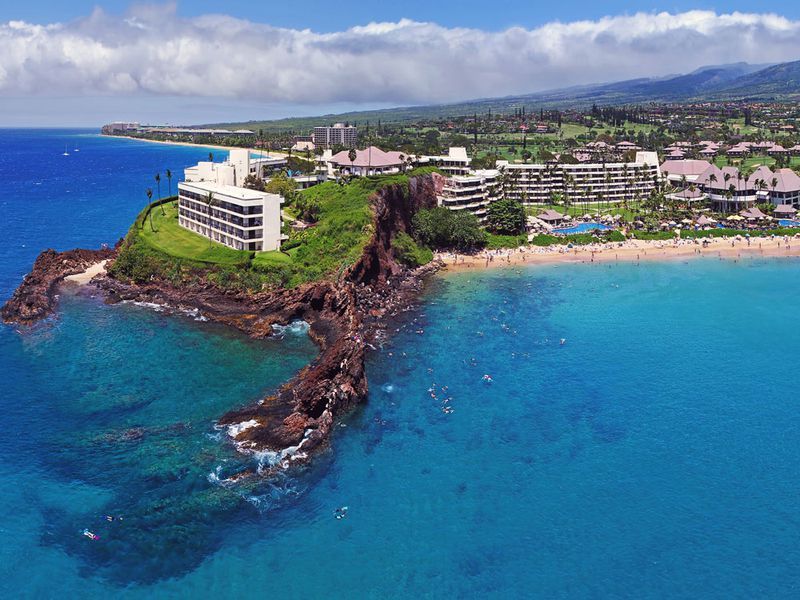
Snorkeling in clear water at Black Rock in Ka’anapali, Maui.
Black Rock in Ka’anapali
Black Rock, or Puʻu Kekaʻa, is the prominent lava-rock formation at the northern end of the main Ka’anapali Beach resort area. Its rocky habitat attracts reef fish and other marine life, making it one of Maui’s best-known snorkeling locations.
It is also an exposed point. Water movement around the rock can differ significantly from the protected beach beside it, so swimmers should avoid assuming that calm nearshore water means conditions will stay the same farther around the point.
What Marine Life Might You See at Black Rock?
Snorkelers may encounter triggerfish, goatfish, squirrelfish, sea turtles, rays, and other reef species. During humpback whale season, whales may be present offshore, but sightings or underwater whale song should never be promised.
Respect the Cultural Significance of Puʻu Kekaʻa
Puʻu Kekaʻa has deep cultural significance in Hawaiian tradition. Visitors should treat the place as more than a snorkeling attraction and respect the land, ocean, wildlife, and people who use the area.
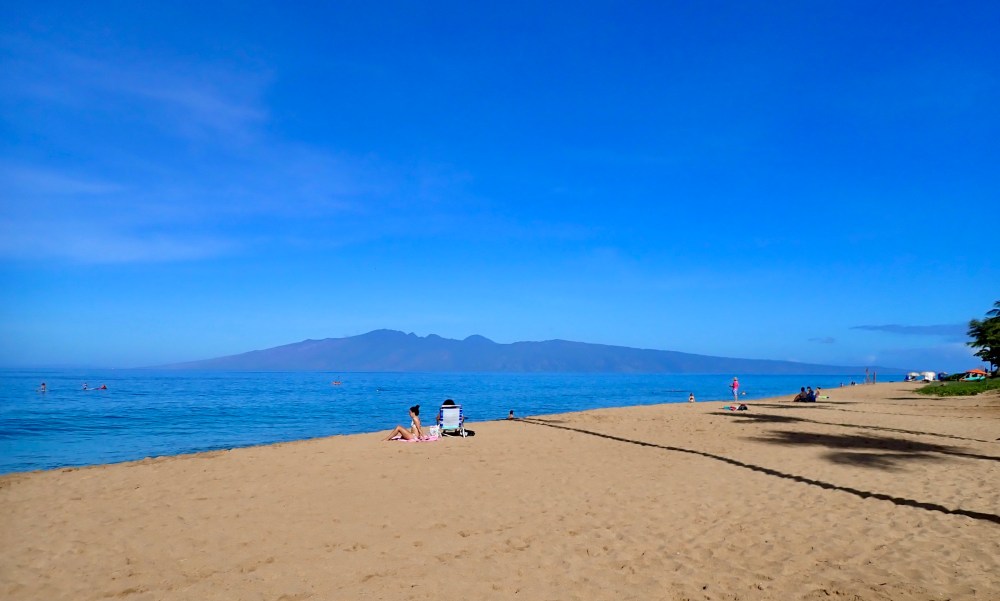
Airport Beach in Maui for scuba diving and snorkeling.
Airport Beach at Kahekili Beach Park
Airport Beach, commonly known as Kahekili Beach Park, is one of the West Maui locations most closely connected with Banyan Tree Divers. A long reef extends along the Ka’anapali coastline, providing habitat for many tropical reef species.
The broad beach and nearby reef make this a popular spot for swimming, snorkeling, and scuba diving when conditions allow.
What Marine Life Might You See at Airport Beach?
Depending on conditions and animal activity, snorkelers may see butterflyfish, triggerfish, goatfish, trumpetfish, moray eels, sea turtles, and many smaller reef animals.
Some animals are extremely well camouflaged, which is a good reason to observe rather than touch anything on the reef.
Read our complete Airport Beach Maui guide for more information about Kahekili Beach Park and its underwater environment.
Olowalu
Olowalu is known for an extensive shallow reef system along the West Maui coastline south of Lahaina. The combination of coral habitat, sand channels, and the backdrop of the West Maui Mountains makes it a distinctive place to experience from shore.
Because portions of the reef are very shallow, snorkelers must be careful not to stand on, kick, or otherwise contact coral. Shallow water does not automatically mean easy or safe conditions. Tide, wind, swell, and currents still matter.
What Marine Life Might You See at Olowalu?
The reef supports a variety of tropical fish and other marine life. Depending on the day, you may see yellow tangs, parrotfish, sea turtles, and other reef animals.

Snorkeling at Napili Bay, one of Maui’s best beaches.
Napili Bay
Napili Bay is a sandy West Maui beach surrounded by rocky reef habitat. The center of the bay is primarily sandy, while reef structure is concentrated more toward the sides.
That combination makes Napili visually different from sites where reef begins almost immediately across the entire shoreline. As elsewhere in West Maui, surf can reduce visibility and make snorkeling less appropriate.
What Marine Life Might You See at Napili Bay?
Snorkelers may encounter reef fish, flounders, octopuses, sea turtles, and other marine life depending on conditions and animal activity. The sandy bottom is also a good place to practice looking for animals that rely on camouflage.
Learn how to spot marine life while snorkeling or scuba diving in Maui.

Maui snorkel map listing 27 spots to visit.
Which Maui Snorkeling Spot Is Best?
No single West Maui snorkeling spot is best every day. The best choice depends on current ocean conditions, your swimming ability, your group, and the shoreline or reef environment you are comfortable exploring.
A beach that was calm yesterday may have surf or stronger water movement today. Rather than choosing a location solely because it appears on a “best snorkeling” list, choose the site that matches the conditions you actually find.
What Can You See Snorkeling in Maui?
West Maui’s reefs support butterflyfish, triggerfish, wrasses, tangs, moray eels, octopuses, sea turtles, rays, and many other animals. Some species are easy to notice while others rely on camouflage and may be overlooked entirely.
We can’t guarantee any particular wildlife encounter. The animals are wild, and what you see changes from day to day.
Use our Maui Fish Guide to learn about marine life you may encounter while snorkeling or scuba diving around Maui.
Give Sea Turtles and Other Wildlife Space
One of the best ways to enjoy Maui’s wildlife is to allow animals to behave naturally. Do not touch, chase, feed, surround, or block marine animals’ path.
NOAA recommends remaining at least 10 feet from Hawaiian sea turtles both on land and in the water. If an animal approaches you, give it room rather than trying to maintain a close encounter.
Learn more in our Maui Sea Turtle Guide.
Protect Maui’s Coral Reefs
Coral is a living habitat, not a place to stand or rest. Maintain enough space above the reef to avoid contacting it with your hands, feet, fins, or equipment.
If the water is too shallow to swim comfortably without contacting coral, choose a deeper route or another location rather than trying to walk across the reef.
Want a Guided Snorkeling Experience?
If you’d rather explore with a local guide than choose a snorkeling location on your own, Banyan Tree Divers offers a guided Beach Snorkeling Tour in Ka’anapali.
The experience begins from shore; rental snorkeling gear is included, and your guide helps you get comfortable with the equipment and the conditions before entering the water. The specific marine life you encounter varies from day to day.
Beach Snorkeling Tour: $129 per person.
Curious About Scuba Diving?
If snorkeling makes you want to spend more time underwater, you don’t need to be certified to try scuba diving in Maui.
Banyan Tree Divers’ Beginner Scuba Diving experience in Ka’anapali is designed for first-time divers with no previous scuba certification or experience. Equipment is included, and groups are limited to a maximum of four non-certified divers per instructor.
Explore West Maui From the Water
West Maui offers many opportunities to experience the ocean, but the best snorkeling day is one when the conditions match your abilities. Take your time, snorkel with a buddy, respect posted warnings, protect the reef, and give wildlife plenty of space.
Whether you explore independently or join a guided snorkeling experience, focus less on checking animals off a list and more on enjoying whatever the reef shows you that day.