
How to Fit a Scuba Mask Correctly
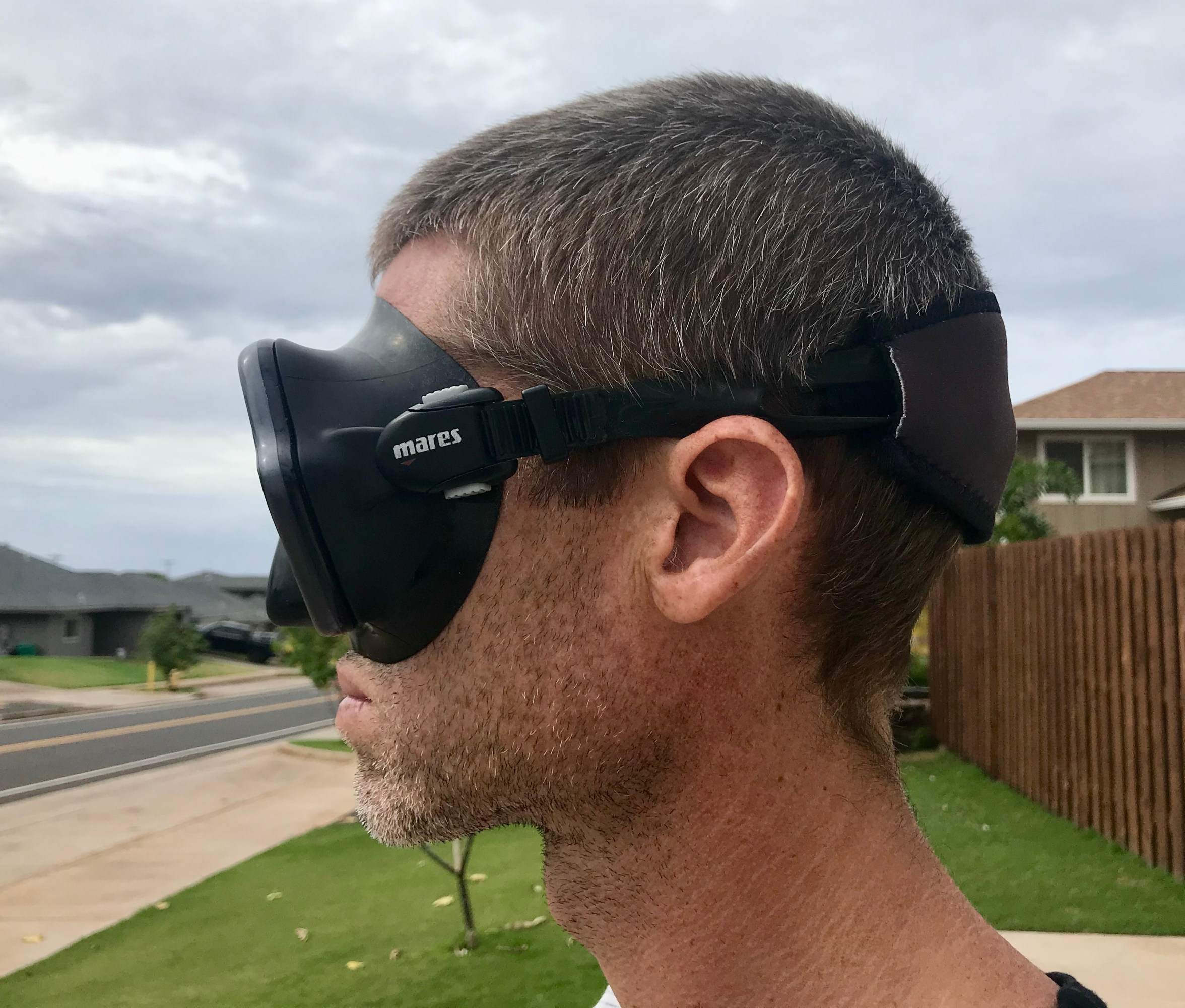
A properly fitting scuba mask can make a big difference in how comfortable you feel underwater. A poor seal can let water leak in, while an overtightened or uncomfortable mask can be distracting during a dive.
The best scuba mask is not necessarily the most expensive one or the one another diver recommends. Faces are different, so fit and comfort matter more than brand or appearance.
This guide explains how to test a scuba mask for a good seal, adjust the strap, avoid common leaks, and choose a mask that fits your face.
How Should a Scuba Mask Fit?
A properly fitting scuba mask should sit comfortably against your face with the silicone skirt making even contact around its entire edge. It should not create painful pressure on the bridge of your nose, forehead, or upper lip.
You should also be able to reach and pinch your nose through the nose pocket to equalize your ears while diving.
Different mask shapes fit different faces, so try several masks whenever possible rather than assuming one size or style works for everyone.
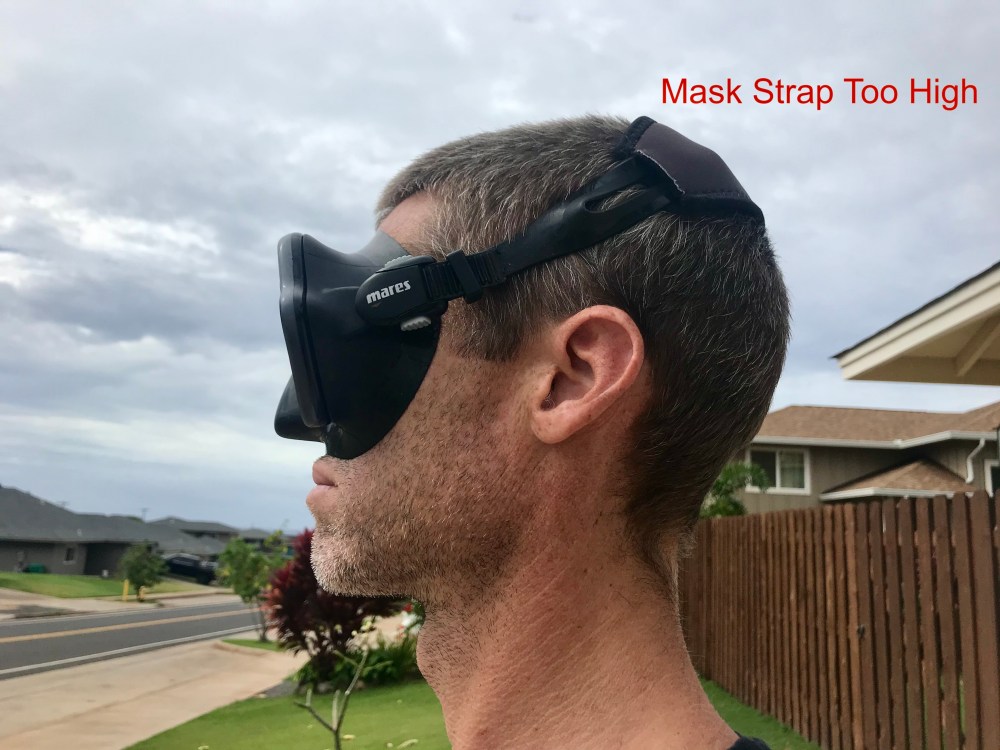
Incorrect strap placement: the mask strap angles upward and sits too high on the head.
How to Test a Scuba Mask Seal
One of the easiest ways to check whether a mask fits your face is to test the seal before putting the strap around your head.
- Move the strap aside.
- Place the mask gently against your face.
- Gently inhale through your nose.
- Stop inhaling and see whether the mask stays in place without obvious air leaking around the skirt.
- Check whether the mask feels comfortable rather than painfully tight.
You should not have to continuously suck air through your nose to keep the mask in place. If air enters easily around the skirt or the mask feels too wide, narrow, or uncomfortable, try a different model.
Don’t Overtighten the Mask Strap
The strap helps hold the mask in place, but tightening it excessively doesn’t necessarily improve the seal. In fact, too much tension can distort the silicone skirt, increase discomfort, and sometimes make leaking worse.
Once you’ve found a mask that seals properly, place the strap around the back of your head and adjust it until the mask feels secure and comfortable. It should stay in position without feeling as though it is being forced into your face.
Keep Hair Out of the Mask Seal
Hair caught underneath the silicone skirt is a common cause of small leaks. Before entering the water, run your fingers around the edge of the mask to make sure loose hair isn’t trapped underneath it.
Divers with long hair may find a neoprene strap more comfortable and easier to position because it reduces pulling and tangling.
What If You Have a Mustache or Beard?
Facial hair can make a perfect mask seal harder to achieve because hairs between the skin and silicone skirt can create small pathways for water. That does not mean people with mustaches or beards cannot scuba dive comfortably.
Trying several mask shapes and finding one whose skirt fits your face well is usually the best place to start. Some divers also adjust or trim the area directly beneath the nose if facial hair repeatedly interferes with the seal.
A small amount of occasional leakage can occur even with a well-fitting mask, particularly with facial hair, so certified divers should also remain comfortable with the mask-clearing skills learned during scuba training.
Check the Fit With a Regulator or Snorkel
A mask that fits well while your mouth is relaxed may feel slightly different once you put a scuba regulator or snorkel mouthpiece in your mouth.
If possible, test the mask while holding a regulator or snorkel mouthpiece comfortably in place. Your facial muscles and upper lip can shift slightly, so it’s worth confirming that the skirt still seals comfortably.
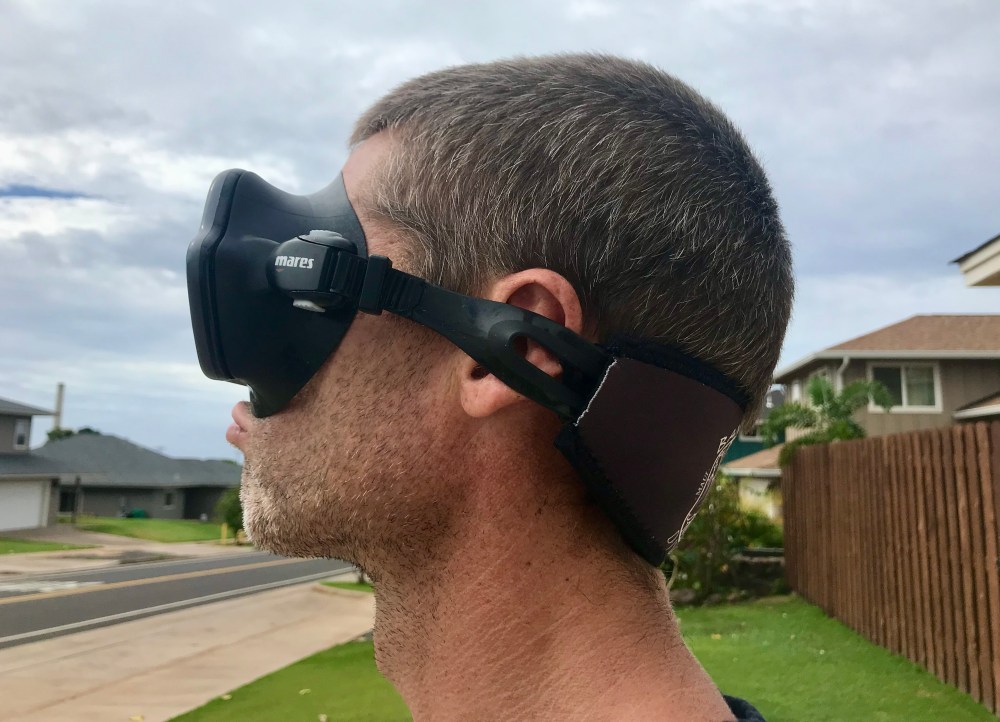
Incorrect strap placement: the mask strap crosses the ear and sits too low on the back of the head.
Common Reasons a Scuba Mask Leaks
If your mask repeatedly lets in water, the problem is not always the mask itself. Common causes include:
- Hair trapped underneath the skirt
- Facial hair interfering with the seal
- A strap that is too tight
- A twisted or folded section of silicone skirt
- A mask shape that does not match your face
- Moving or smiling in a way that temporarily changes the seal
- A damaged or aging mask skirt
If you keep having problems despite adjusting the mask, try another model instead of simply tightening the strap more.
Remember to Equalize Your Mask During Descent
You also need to equalize the air space inside a scuba mask as you descend. Divers do this by gently exhaling a small amount of air through the nose as needed during descent.
A properly fitted mask should feel comfortable against your face rather than increasingly pressing inward. Follow the equalization techniques taught during your scuba training.
Should You Buy Your Own Scuba Mask?
A scuba mask is often one of the first pieces of personal equipment certified divers choose to own because facial fit varies so much from person to person. Having a mask you know fits comfortably removes one variable when you use rental equipment on a trip.
No single brand or price point is right for everyone. Prioritize fit, comfort, a reliable seal, and features that suit the diving you plan to do.
If you wear prescription glasses, some dive masks can also accommodate prescription lenses. A dive professional can help you evaluate those options.
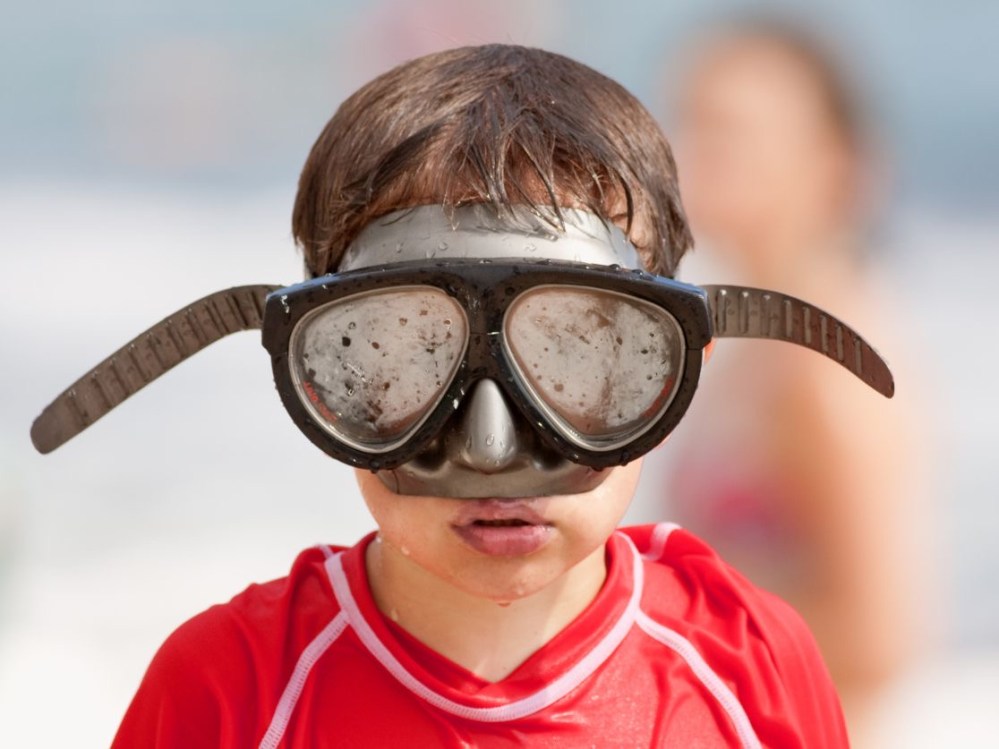
Even a well-fitting scuba mask can fog without proper lens preparation and defog.
How Do You Keep a Scuba Mask From Fogging?
Even a perfectly fitting scuba mask can be frustrating if the lenses constantly fog. New masks may need preparation before first use, and divers often use an appropriate mask-defog product before entering the water.
For a complete guide, read our article on how to defog a scuba mask.
First Time Scuba Diving?
If you’ve never scuba dived before, you don’t need to arrive knowing how to choose, fit, clear, or adjust every piece of scuba equipment yourself. Your instructor will introduce the equipment and teach the essential skills you need before entering the ocean.
Banyan Tree Divers’ Beginner Scuba Diving experience in Ka’anapali requires no previous scuba experience or certification, and rental scuba equipment is included.
Our beginner groups are limited to a maximum of four non-certified divers per instructor.
Ready to Go Scuba Diving in Maui?
A comfortable mask is one small part of making a scuba dive more enjoyable. Proper fit, familiarity with your equipment, and confidence with the skills taught during scuba training all help you spend less time thinking about gear and more time experiencing the underwater environment.
First-time divers can begin with our Beginner Scuba Diving experience in Ka’anapali. Certified divers can explore our guided Maui scuba diving options in Ka’anapali and Lahaina.