
Maui’s Favorite Snorkeling Spots
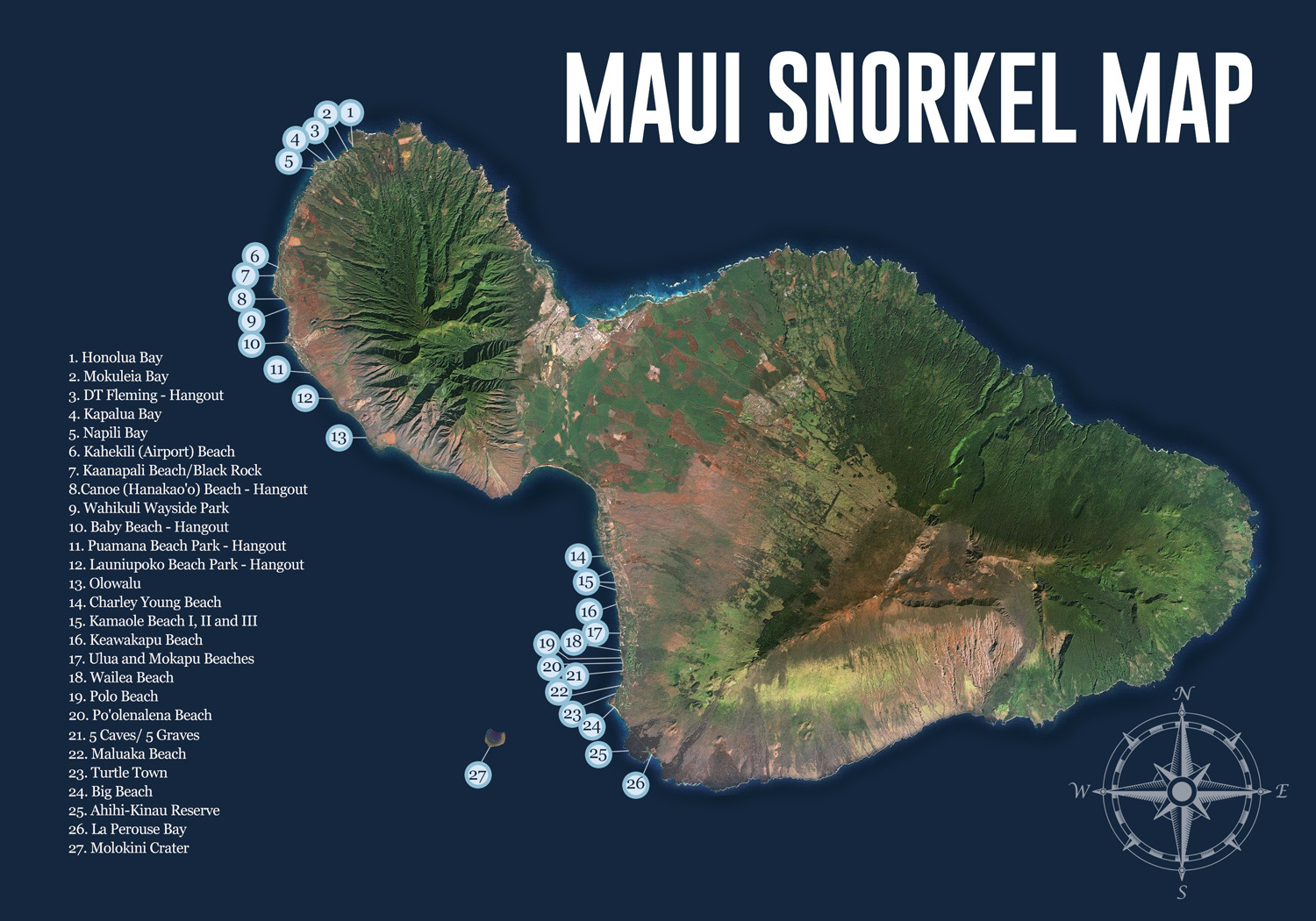
Maui features the most vibrant and accessible coastlines in the Hawaiian Islands. You can visit almost any of the island’s famous beaches to snorkel with a Hawaiian Green Turtle or two, or three. So, we picked our 6 favorite Maui snorkeling spots to share. Not surprisingly, sunny Lahaina is home to all of our choices! Why only West Maui? While there are several beautiful South Maui spots, like Molokini Crater or Ahihi Bay, our dive shop finds the best snorkeling near Lahaina, Kaanapali, and Kapalua. Read on for the inside scoop!
Maui’s Best Snorkeling
 #1 Kapalua Bay Beach
Kapalua Bay Beach is located between the Montage Kapalua Bay Resort and Merriman’s Kapalua restaurant, making it one of the most tranquil spots in West Maui. However, on sunny, calm days, the beach can be crowded, disrupting this serenity. Although the beach is small, it offers excellent snorkeling opportunities on both sides of the bay. Kapalua Bay’s size helps spread out swimmers and snorkelers, making it a pleasant experience for all.
Kapalua Bay’s small public parking lot sits between Napili Kai Resort and Merriman’s. There are public restrooms and two outdoor showers. However, if you arrive after 9 a.m., you can forget about parking here! But, no worries, there is overflow parking along the main road. Parking spots can be tight, so ensure your car does not block any part of the street.
Alternatively, you can park across the street and walk in. Drive north past the entrance to Kapalua Bay and then turn right into the parking lot. It’s not a bad walk and could be your best option!
During Merriman’s open hours, you can take advantage of their complimentary valet parking to stop in for a drink and an appetizer and still enjoy a late-afternoon snorkel!
What Can I See at Kapalua Bay Beach?
You can frequently see Hawaiian Green Turtles at Kapalua Bay Beach. They like to rest in the safety of the bay. Sometimes, a resident white-tip reef shark rests in shallow water close to shore. Try not to be nervous or afraid. The reef sharks are actually fearful of you. So we can actually relax around them. For example, White-tip reef sharks mainly feed on small fish.
As you traverse the bay, you can also see juvenile spotted moray eels, and when lucky, a resident dragon moray eel sometimes pops its head out of the coral. A rare sight indeed!
Ocean Safety Precautions for Kapalua Bay Beach
This Maui snorkeling spot provides easy entry and exit points, which is helpful for people who feel uncomfortable swimming in the ocean. But at Kapalua Bay Beach, the coral reef immediately appears as you swim away from shore. The coral is shallow and fragile. DO NOT ALLOW YOURSELF TO STAND ON THE CORAL!! Not only is it razor sharp and potentially harmful to you, but coral is alive, and you will kill it by standing on it.
Sometimes, waves break offshore in the middle of Kapalua Bay, especially during Maui’s winter months from December to May. If you can see large waves rolling into Kapalua Bay, you can assume poor underwater visibility. Those waves run over a shallow lava rock plateau full of healthy corals. That is not where you want to snorkel!
Like any Maui snorkeling site, do not get in the ocean if you are not a strong swimmer. Our dive team has rescued panicked snorkelers at Kapalua Bay. If you are not a strong swimmer, use a flotation device!
#2 Honolua Bay Beach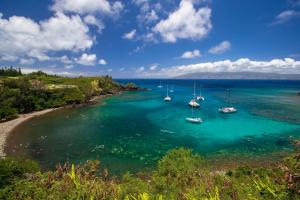
Honolua Bay Beach, undoubtedly, ranks as one of the best Maui snorkeling spots! Located just before mile marker 33 in West Maui, you will first notice parking along the guard rails on the left side of the road. To park here, you will eventually need to turn your vehicle around and park along the side of the road. The main entrance is further down the road. You will see a fruit stand and a couple of public toilets. Honolua Bay has that it factor! The entrance opens onto an enchanting forest jungle, unlike anything else found in West Maui. The path through the forest to the snorkel spot feels breathtaking and worth taking the time to appreciate. The sunlight coming through the trees at Honolua Bay creates excellent photography opportunities.
Once you reach the water’s edge, you notice that lava rocks border the entry to the site. There is not much of a beach! We recommend water shoes or foot protection as you venture on the rocks near the water. One entrance into the ocean is an old boat ramp, which can be very slippery. It is best to use caution if you enter here.
The most preferred area for snorkeling is along the right side of the bay. But keep in mind that the swim out to the coral reef is a long distance, so you must be a strong swimmer, use a flotation device, and wear fins.
What Can I See at Honolua Bay Beach?
Honolua Bay boasts many well-recognized Maui fish, including Yellow Tang, Moorish Idol, butterflyfish, and trumpetfish. Turtle sightings are always possible here, but they are not guaranteed. Look for spiny lobsters nestled beneath the coral ledges!
Ocean Safety Precautions for Honolua Bay Beach
During the summer months, Honolua Bay features calm, clear water. But wintertime at this famous Maui snorkeling site brings powerful and dangerous waves. When waves are present, visibility drops heavily, so it is not worth putting yourself in danger. If no one else is in the water, the chances are likely that it’s best to remain on the shore and instead take in the magnificent views.
#3 Black Rock Beach, Kaanapali
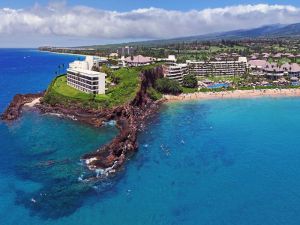
Black Rock Beach is the most popular snorkeling spot in Kaanapali! It features a dramatic lava formation with a maximum depth of about 30 feet. According to Hawaiian tradition, this is where souls leap into the afterlife. While snorkeling, you can explore a vibrant coral reef teeming with Goatfish and Green Turtles. During the winter months in Maui, Humpback Whales often cruise near Black Rock, and you can even hear their songs while snorkeling along the lava formation and observing the unique sea life!
The Sheraton Resort is closest to Black Rock. Parking for Kaanapali Beach is in the paid lot at Whaler’s Village. Some hotels offer complimentary beach parking spots, but spaces are limited. The only public restrooms are at Whaler’s Village, about a 10-minute walk from this top-rated Maui snorkeling site.
What Can I See at Black Rock Beach?
We tend to see an array of Triggerfish at Black Rock, plus schools of Squirrelfish and Goatfish. Hawaiian Green Turtles are frequent visitors, and if you are fortunate, you can see a Hawaiian monk seal that visits the north side of Black Rock. Spotted eagle rays are a lucky sight as well.
Ocean Safety Precautions for Black Rock Beach
We can’t stress this enough about this particular Maui snorkeling location: snorkel with a buddy! If you plan to venture around the corner to the north side of Black Rock, you MUST be a strong swimmer. Strong ocean currents are frequent once you swim away from the bay’s shelter, and no lifeguards are on duty. When you return to shore, swimming against the ocean’s current makes for a problematic Maui snorkeling experience. Please take care of yourself by learning and practicing the fundamentals of safe snorkeling!
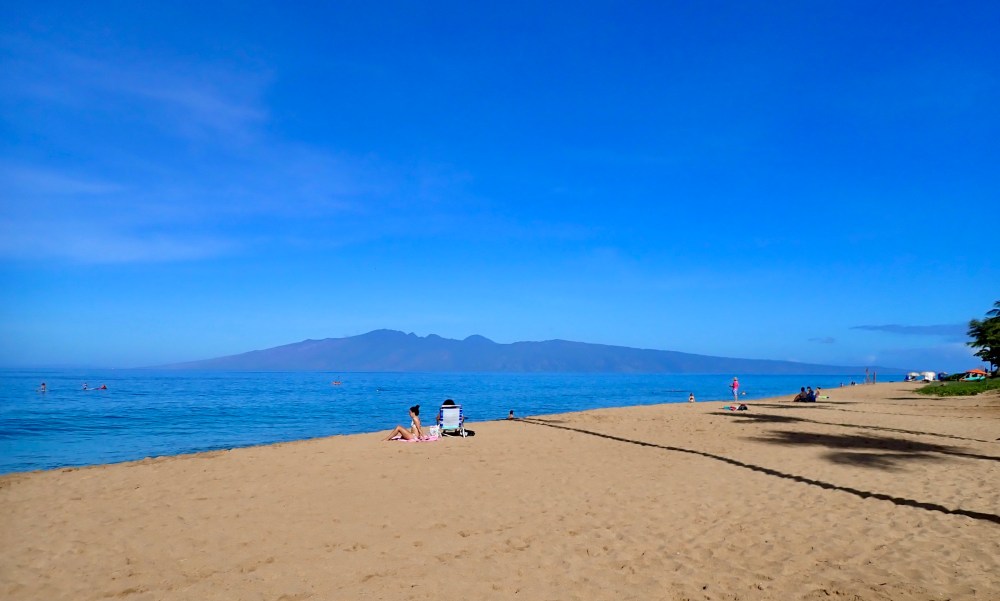
Airport Beach has excellent snorkeling and scuba diving.
#4 Airport Beach, Kaanapali
Known locally as Kahekili Beach Park, Airport Beach has excellent snorkeling and is a famous Maui scuba diving site. What makes Airport Beach extra special is its abundance of great snorkeling! Airport Beach has an expansive, well-developed reef that extends north and south along the Kaanapali coastline. The beach extends almost as far as the eye can see in either direction.
You should enter the ocean where you find a sandy area, away from the hard lava. When you enter, hold your fins in one of your hands, wear your mask, and put your snorkel around your neck. Put on your snorkeling fins once you get past the shore break, and try to keep your feet up so you do not invite injuries from lava cuts or coral gashes. The coral reef starts almost immediately and extends from shore to a depth of 25 feet. You do not have to venture far from the beach to see the beautiful Maui sea life populating this protected area.
The public beach park has a parking lot and public restrooms. Kahekili Beach Park is a welcoming spot for visitors, especially those who don’t stay at a resort in Kaanapali.
What Can I See at Airport Beach?
Airport Beach has many unique Maui fish, including Picasso triggerfish, ornate butterflyfish, goatfish, and slender trumpetfish. Turtles pass through looking for an algae snack or a spot in the coral reef to rest. You can also see Scorpionfish here; it is a perfect reason not to touch anything! Scorpionfish look precisely like rocks, but when you touch one of these fish, their venomous spines will swell your hand up like a baseball mitt.
Ocean Safety Precautions for Airport Beach
Kaanapali Beach is a long stretch of beach, and surface currents are often present. Always swim with a buddy at Airport Beach, as it is easy to get swept far from your exit point. Pick an onshore reference so you always know where you are.
This beach is famous for snorkeling, diving, and swimming, so the water occasionally gets crowded. It is a good idea to look up occasionally to avoid colliding with other oceangoers.
As with any swimming location, assess the conditions before you enter the ocean. If in doubt, don’t go out!
#5 Olowalu Beach, Mile Marker 14, South of Lahaina
Olowalu Beach features one of the oldest and best-developed Maui reef systems. We refer to this coral reef as The Mother Reef. Olowalu is a vast but shallow bay protected from storms and waves, which allowed corals the safety to flourish into a massive reef system.
It’s easy to reach this popular snorkeling spot. When driving south out of Lahaina on Honoapiilani Highway, look for Mile Marker 14, about two minutes past the fruit stand and Leoda’s Kitchen and Pie Shop (great pies and food!). You will not find restroom facilities at Olowalu Beach.
The narrow beach here is best accessed by safely pulling off the road and parking amongst the trees. This idyllic beach is worth a visit. The water is calm, and you can meander through coral reef channels that lead to deeper water. The dramatic backdrop of the West Maui mountains creates stunning views from the sea.
What Can I See at Olowalu Beach?
Yellow tang and parrotfish are the stars of the show at this site. Large schools of juvenile parrotfish graze on the coral to remove the overgrowth of algae. This necessary symbiotic relationship keeps the coral healthy and the parrotfish fed. Turtles curl up for naps in the coral ridges, and you might find the occasional White Tip Reef Shark.
Ocean Safety Precautions for Olowalu Beach
This site is shallow at first, so getting trapped and raked across the coral at low tide is too easy. If you see exposed coral from the shore, it is probably a good idea not to snorkel until the tide rises. It is best to follow the sandy channels that lead to deeper water and keep aware of your surroundings. As mentioned before, please DO NOT STAND on the coral reef.

#6 Napili Bay Beach
Napili Bay Beach might be one of the best sunbathing beaches on the west side. Shaded areas are limited, so unless you want to maximize your tan (hopefully while applying your reef-safe sunscreen and skipping the sunburn), bring an umbrella or tent. As of 2019, marked parking spots were added to the street leading up to the beach. These new stalls have reduced the parking chaos, though spillover into the street still happens. Like at Kapalua Bay, ensure you don’t block the road with your vehicle and park legally. Napili Bay can get crowded during the day, but it has a more extensive beach than Kapalua Bay.
The entry to Napili Bay is primarily sandy, making it ideal for beginners. But, unlike some other Maui snorkeling locations, the coral is only located along the sides of the bay. In the middle section, you will only see a flat sandy bottom, which means there is less chance of you stepping on coral and harming it.
Unfortunately, the abundance of coral at this particular bay has declined. The Napili Bay and Beach Foundation is a nonprofit organization taking significant steps toward beach restoration and implementing artificial reef structures to encourage more coral growth. However, all good deeds cost money. You can keep Napili Bay beautiful for future generations by contributing to this community effort. The foundation accepts tax-deductible donations. Please consider donating to NapiliBayFoundation.org.
What Can I See at Napili Bay Beach?
The sandy bottom at Napili Bay Beach is home to residents such as the Peacock Flounder. These unusual fish blend in so well with their environment that spotting them takes a keen eye and a bit of luck. You might also see a Red Octopus or Hawaiian Green Turtle exploring Napili Bay with your mask and snorkel.
Ocean Safety Precautions for Napili Bay Beach
When the ocean at Napili Bay is flat and calm, it is a good snorkeling experience! Any waves at Napili Bay lead to lousy visibility due to the vast sandy bottom. Do not snorkel at Napili Bay if you see waves. When you do choose to snorkel, always use the buddy system and flotation devices!
Final Thought
As scuba divers, we confess to seeking more time underwater than on the surface! However, scuba diving in Maui is not for everyone, so snorkeling can be an excellent way to experience the island’s sea life. Once you snorkel along the shoreline of Lahaina, the colorful coral reefs provide you with a closer connection to Maui that many land-dwellers never get to feel.
Of course, if your snorkeling adventures spark an interest in scuba diving in Maui, Banyan Tree Divers offers scuba tours, lessons, and PADI courses in sunny Lahaina. You can book online, call (808) 446-6099, or email [email protected].